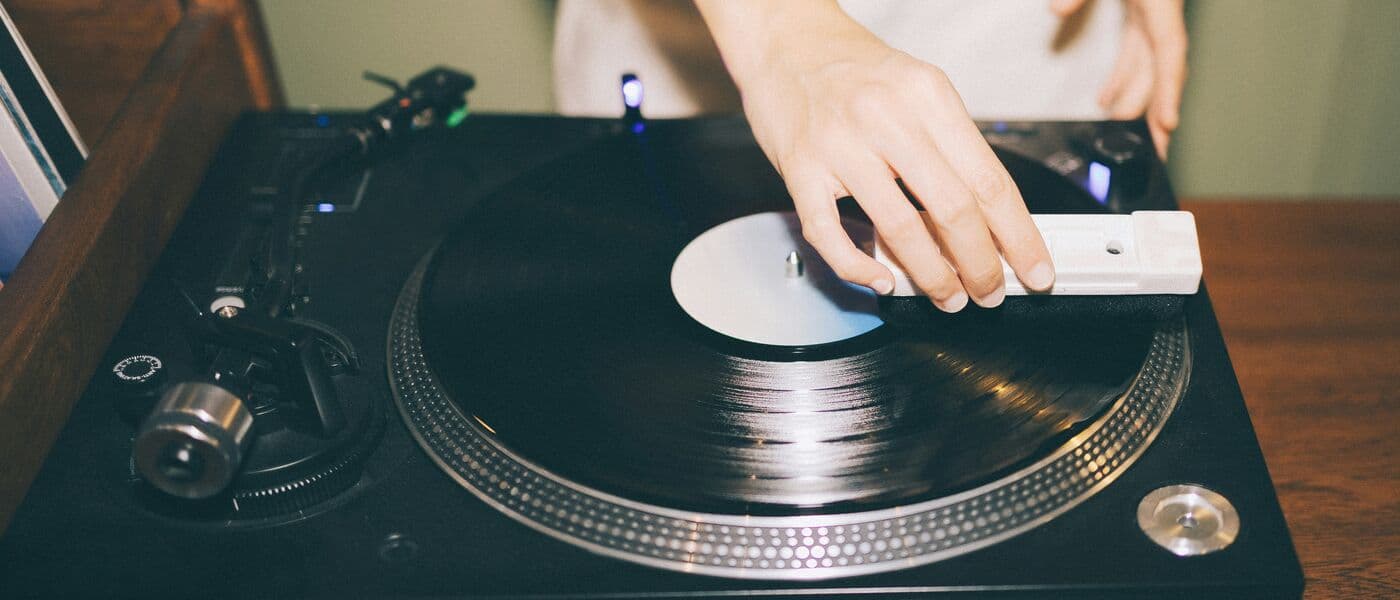
Dirty vinyl records don't just sound bad — they wear out faster. Dust, oils, and grime grind into the grooves every time you drop the needle, causing pops, crackles, and permanent damage. The good news? Cleaning records is simple once you know the right method for your situation.
We tested and researched every popular cleaning method, from a $5 microfiber cloth to $3,000+ ultrasonic machines, and ranked them by effectiveness, cost, and ease of use. Whether you're a casual listener or a serious collector, you'll find the right approach here.
Why Cleaning Your Vinyl Records Matters
Every time a stylus tracks through a groove, it's exerting real physical pressure on the vinyl surface. When dust or debris sits in those grooves, the stylus grinds it deeper into the material, causing micro-scratches that produce permanent noise.
Regular cleaning extends the life of both your records and your stylus. A clean record means less friction, quieter playback, and more detail in the music. It also prevents the buildup of mold and mildew that can form on records stored in humid environments.
Bottom line: a 30-second brush before each play can add years of life to your vinyl.
Quick Comparison: All 9 Methods at a Glance
| Method | Cost | Effectiveness | Best For |
|---|---|---|---|
| Microfiber Cloth | $5–$15 | Light dusting | Quick surface clean |
| Carbon Fiber Brush | $15–$40 | Good for daily use | Pre-play routine |
| Cleaning Sprays | $10–$25 | Moderate | Removing fingerprints |
| All-in-One Kits | $20–$100 | Good | Beginners |
| DIY Solutions | $5–$15 | Moderate | Budget-conscious |
| Wood Glue Method | $5–$10 | Very good (deep clean) | Heavily soiled records |
| Spin-Clean | $80–$150 | Very good | Regular deep cleaning |
| Vacuum Machines | $200–$1,200 | Excellent | Serious collectors |
| Ultrasonic Cleaners | $400–$3,300+ | Best available | Audiophiles & archivists |
Every Vinyl Record Cleaning Method, Ranked
We ranked these from simplest and cheapest to most advanced. Each method has its place — start with what fits your budget and collection size.
1. Microfiber Cloth ($5–$15)
The most basic cleaning tool. A soft, lint-free microfiber cloth can wipe away surface dust and fingerprints without scratching. Always wipe in the direction of the grooves (in a circular motion), never across them.
Pros
- Extremely affordable
- No chemicals needed
- Good for quick maintenance
Cons
- Can't reach deep into grooves
- May push dust around
- Can generate static if used dry
MagicFiber Microfiber Cleaning Cloths (6-Pack)
Lint-free, ultra-soft cloths that work great for vinyl and electronics.
2. Carbon Fiber Anti-Static Brush ($15–$40)
The essential tool every vinyl owner should have. Carbon fiber bristles are fine enough to reach into the grooves and lift out dust particles while neutralizing static charge. Use it before every play session — just hold it gently against the spinning record for 2–3 rotations.
Pros
- Reaches into grooves effectively
- Reduces static charge
- Takes seconds to use
- Lasts for years
Cons
- Dry clean only — won't remove oils
- Not effective on heavy grime
Boundless Audio Record Cleaner Brush
Carbon fiber anti-static brush designed specifically for vinyl record cleaning.
Fluance Vinyl Record & Stylus Cleaning Kit
2-in-1 anti-static carbon fiber and soft velvet LP brush with stylus brush included.
3. Cleaning Solution Sprays ($10–$25)
Spray-on cleaning solutions dissolve oils, fingerprints, and light grime. Spray onto a microfiber cloth (never directly onto the record), then wipe along the grooves. Look for alcohol-free formulas to avoid any risk of damaging the vinyl.
Pros
- Removes oils and fingerprints
- Easy to use
- Affordable per-bottle cost
Cons
- Consumable — needs replacement
- Some formulas leave residue
- Won't deep-clean embedded grime
Boundless Audio Record Cleaning Solution
Alcohol-free, anti-static formula safe for all vinyl records.
4. All-in-One Cleaning Kits ($20–$100)
Cleaning kits bundle a brush, solution, cloth, and sometimes a stylus cleaner into one package. They're perfect for beginners who want everything they need in one purchase. Quality varies widely — look for kits from established audio brands.
Pros
- Everything in one box
- Great for gifting
- Usually better value than individual pieces
Cons
- Quality varies by brand
- May include items you don't need
- Bundled solutions may not be the best
Big Fudge Vinyl Record Cleaning Kit
Complete 4-in-1 kit with brush, solution, cloth, and stylus cleaner.
Got Clean Records? Now Make Your Own.
Design a fully custom vinyl record — your music, your artwork, your story.
5. DIY Cleaning Solutions ($5–$15)
You can make an effective cleaning solution at home with distilled water and a small amount of dish soap (one or two drops per cup). Some recipes add a tiny amount of isopropyl alcohol, but keep it under 10% to avoid damaging the vinyl. Always use distilled water — tap water leaves mineral deposits.
Simple recipe: 1 cup distilled water + 1–2 drops Dawn dish soap. Apply with a microfiber cloth, wipe in the direction of the grooves, then rinse with plain distilled water and air dry.
Pros
- Extremely cheap
- Uses household items
- Effective for light to moderate grime
Cons
- Risk of residue if not rinsed well
- Easy to use wrong concentrations
- No anti-static properties
6. Wood Glue Method ($5–$10)
This one sounds strange, but it's a beloved trick among vinyl collectors. Spread a thin, even layer of PVA wood glue (like Titebond II) over the record surface — avoid the label — and let it dry completely (12–24 hours). Once dry, peel it off in one satisfying sheet. The dried glue pulls out embedded dust, dirt, and grime that sits deep in the grooves.
Pros
- Deep cleans like nothing else at this price
- Pulls debris from deep in grooves
- Very satisfying to peel
- Great for used/thrift store finds
Cons
- Takes 12–24 hours to dry
- Must avoid getting glue on the label
- Messy if you're not careful
Titebond II Premium Wood Glue
The most popular wood glue for record cleaning. Non-toxic PVA formula.
7. Spin-Clean Record Washer ($80–$150)
The Spin-Clean is the gold standard for affordable wet cleaning. It's a manual bath system — you fill the basin with distilled water and their cleaning solution, then spin the record through the velvet pads. It cleans both sides simultaneously and takes about 30 seconds per record.
This is the sweet spot for most collectors. It's effective enough to dramatically improve the sound of dirty or used records without breaking the bank.
Pros
- Excellent deep cleaning results
- Cleans both sides at once
- Simple, no-electricity design
- Replacement fluid is cheap
Cons
- Manual process
- Records need to air dry
- Bath fluid needs periodic replacing
Spin-Clean Record Washer MKII Complete Kit
The best-selling manual record washer. Includes brushes, fluid, and drying cloths.
8. Vacuum Cleaning Machines ($200–$1,200)
Vacuum record cleaning machines (RCMs) apply cleaning fluid to the record, scrub with a brush, and then vacuum the dirty fluid out of the grooves. This removes contaminants that wet cleaning alone leaves behind. Brands like Record Doctor, VPI, and Okki Nokki are popular choices.
The vacuum suction is what sets these apart — it pulls debris out of the grooves rather than just loosening it. Records are play-ready immediately, with no drying time needed.
Pros
- Excellent cleaning results
- No drying time needed
- Consistent, repeatable process
- Fast once you get the hang of it
Cons
- Expensive entry point
- Can be noisy (vacuum motor)
- Takes up shelf/desk space
Record Doctor VI Record Cleaning Machine
High-performance vacuum RCM with a strong following among collectors.
9. Ultrasonic Cleaners ($400–$3,300+)
Ultrasonic cleaning is the ultimate method. These machines use high-frequency sound waves to create millions of microscopic cavitation bubbles in a water bath. The bubbles implode on contact with the record surface, dislodging even the finest particles from deep within the grooves — all without any physical contact.
Purpose-built units like the Degritter and HumminGuru are designed specifically for records, with proper frequency tuning and drying systems. Generic ultrasonic cleaners can work too, but you'll need a record-specific adapter.
Pros
- Deepest possible clean
- No physical contact with grooves
- Consistent, automated process
- Can revive records others can't
Cons
- Very expensive
- Overkill for small collections
- Purpose-built units have long wait lists
HumminGuru Ultrasonic Vinyl Record Cleaner
Affordable purpose-built ultrasonic cleaner with integrated drying fan.
Your Records Deserve Great Music
Create a one-of-a-kind vinyl with your own tracks, artwork, and design. Custom records starting at $94.99.
Our Top Picks (Best Bang for Your Buck)
If you're building a cleaning routine from scratch, here's what we recommend:
- For everyone: A carbon fiber anti-static brush (~$16). Use it before every play. This single purchase will make the biggest difference for the least money.
- For regular listeners: Add a cleaning spray and microfiber cloth (~$25 total). This covers daily maintenance and periodic deep cleans.
- For collectors who buy used records: A Spin-Clean Record Washer (~$80). It will transform thrift store finds and pay for itself in rescued records.
- For serious audiophiles: A vacuum RCM or ultrasonic cleaner. The investment is significant, but the results are audible.
What to Never Use on Vinyl Records
Some common household items will damage your records permanently. Avoid these at all costs:
- Paper towels or tissues — they leave microscopic fibers and can scratch
- Windex or glass cleaners — harsh chemicals that can strip the vinyl surface
- Tap water — mineral deposits settle in the grooves and create noise
- Your t-shirt or any rough cloth — scratches the surface and generates static
- Acetone or nail polish remover — dissolves vinyl on contact
- Compressed air — the propellant can leave chemical residue on the surface
Frequently Asked Questions
What is the best way to clean vinyl records at home?
For most collectors, a carbon fiber anti-static brush for daily maintenance combined with a wet cleaning kit for deep cleans offers the best balance of effectiveness and affordability. Brush before every play, and do a full wet clean every 10–20 plays or when you acquire used records.
Can I use rubbing alcohol to clean vinyl records?
It depends on the concentration. Isopropyl alcohol at very low concentrations (under 10%) mixed with distilled water is sometimes used, but high concentrations can strip the protective coating and damage your records over time. Purpose-made vinyl cleaning solutions are always a safer choice.
How often should I clean my vinyl records?
Use a dry anti-static brush before every play session to remove surface dust. Do a deeper wet clean every 10–20 plays, or whenever you notice increased surface noise. Used records should always get a thorough cleaning before their first play on your turntable.
Does the wood glue method actually work for cleaning records?
Yes, the wood glue method is surprisingly effective at pulling debris from deep within the grooves. You spread a thin, even layer of regular wood glue (like Titebond II) over the record surface, let it dry completely (12–24 hours), then peel it off. The dried glue pulls out embedded dust, dirt, and grime that other methods miss.
Are ultrasonic record cleaners worth the money?
For serious collectors with large or valuable collections, ultrasonic cleaners provide the deepest possible clean and are considered the gold standard. However, for casual listeners with smaller collections, a Spin-Clean or manual cleaning kit delivers excellent results at a fraction of the cost.
Can I use tap water to clean vinyl records?
Tap water contains minerals and chlorine that can leave deposits in the grooves and cause additional noise. Always use distilled water for cleaning vinyl records. It is inexpensive and widely available at grocery stores.
What should I never use to clean vinyl records?
Never use household glass cleaners (like Windex), paper towels, abrasive cloths, acetone, bleach, or your t-shirt. These can scratch the grooves, leave lint behind, or chemically damage the vinyl surface. Also avoid playing dirty records — the debris can permanently wear into the grooves under stylus pressure.
How do I clean a vinyl record that skips?
If a record skips, try a deep wet clean first — often debris in the groove is the cause. The wood glue method is particularly effective for skipping records since it reaches deep into the grooves. If cleaning does not resolve the skip, the groove may be physically damaged, which no cleaning method can repair.